
What Makes a Space Feel Like Home?
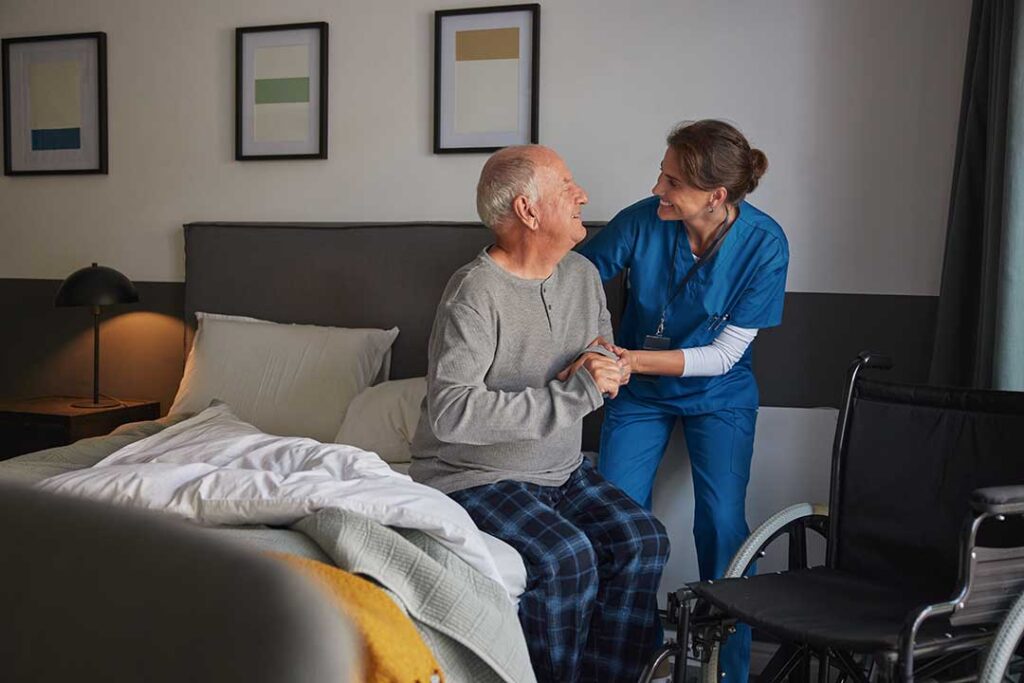
A place feels like home when it reflects personal identity and comforts daily life. In assisted living, this isn’t just about furniture and décor—it’s about creating a familiar, soothing environment where routines, relationships, and favorite items support well-being.
Residents often bring cherished belongings, but it’s natural to wonder how to adapt these to a new, often smaller, setting. In Carnegie, PA, most local buildings provide private or semi-private rooms, with opportunities to add personal touches. Understanding what items define “comfort” or “home” to you makes it easier to prioritize what to bring and display.
How Can Personal Belongings Be Incorporated?
Residents can often bring family photos, blankets, artwork, and small pieces of furniture. Start with a few treasured items that hold strong memories:
- Framed photos on a bedside table or wall create an instant sense of belonging.
- A familiar quilt, pillow, or throw rug adds warmth, especially in winter.
- Favorite books or a familiar clock help maintain routines.
- Handcrafted items, such as a knitted blanket or piece of pottery, connect daily life with long-held hobbies.
Remember, local assisted living residences may have guidelines on large furniture, electronics, or wall hangings. It helps to ask about allowable items before moving day so there are no surprises.
What About Plants and Pets?
Plants and pets can make a living space more vibrant. Yet, there are safety, health, and policy considerations specific to shared environments.
- Many local communities allow small, easy-care plants—succulents or a windowsill herb are popular picks, thriving in Pennsylvania’s seasonal light.
- Some assisted living settings permit small pets (such as fish or caged animals) if residents can care for them independently and they don’t impact others’ well-being.
It’s always best to verify pet and plant policies in advance. Alternatives—like rotating floral arrangements or visits from pet therapy groups—are sometimes available if personal pets aren’t an option.
How Can Routines and Hobbies Continue?
Maintaining daily routines is essential for making a place feel like home. In Carnegie, PA, residents often rely on familiar morning habits—reading the newspaper by a sunny window, or brewing a particular type of tea. These routines can be recreated with small adaptations.
- Bring a favorite mug or teapot for the beverage station in your room.
- Set aside a specific time and cozy spot for reading, knitting, or journaling.
- If you like gardening, inquire about community spaces for potted plants or raised beds—many local residences have shared outdoor areas for this purpose.
Communicate preferred daily activities with staff early in the transition, so schedules and resources can fit long-standing preferences.
How Can Connections with Family and Friends Stay Strong?
Remaining closely connected with loved ones helps preserve a sense of home. Phone calls, video chats, and visits from family and friends can anchor a new chapter in a familiar way.
Local weather affects visit schedules, especially during winter or icy conditions. Make shared routines for calls or visits—Sunday afternoon tea together, or watching a favorite show “together” by phone. These habits provide reassurance and continuity.
Some assisted living communities in the city offer private spaces for family gatherings, such as celebrations or quiet conversations. It’s helpful to ask about these options, especially for holidays or birthdays.
What Sensory Elements Are Most Overlooked?
Sights and sounds often get the most attention, but comfort often comes from consistent smells, lighting, and sounds.
- Soft lighting—like a favorite lamp—can make a space cozier, reducing the stark feeling of overhead lights.
- Music played quietly from a radio or speaker provides a familiar background. Hearing a favorite genre or artist often brings a sense of calm or nostalgia.
- Scented sachets, a signature hand lotion, or familiar spices can evoke memories in a new environment.
Be mindful that strong scents may bother neighbors in a shared building, so choose subtle or personal options when possible.
How Can Food Preferences Be Respected?
Residents in Carnegie value favorite recipes and mealtimes as core parts of their home experience. Most local assisted living facilities offer menu options and will accommodate personal preferences or simple requests.
- Share family recipes or favorite snacks early on; some kitchens will try incorporating these on special occasions.
- Keep non-perishable treats or teas in your room for in-between moments that remind you of home.
- If dietary restrictions exist, discuss these up front so staff can plan accordingly and avoid last-minute changes.
In colder months, warm drinks and comfort foods become important, and having input in these choices adds a layer of comfort.
Are There Ways to Make Shared Areas Feel Familiar?
While private rooms offer the most control, shared living spaces present an opportunity to add familiarity and comfort for everyone.
- Contribute to seasonal decorations, such as fall wreaths, spring flowers, or winter crafts—reflecting Pennsylvania’s seasons.
- Bring board games, puzzles, or magazines to common rooms, inviting others to participate in hobbies you enjoy from home.
- Participate in or suggest group activities that echo traditions you value, like storytelling, book clubs, or cooking demonstrations.
These actions build a broader sense of community while helping individual residents feel settled and welcome.
